We may earn a commission when you buy through links on our deal pages, at no extra cost to you. It never changes which deals we post.
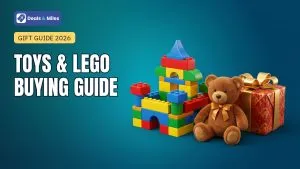
Toys are the gift most of us buy every year, and they are also where list prices get stretched the most. A LEGO set marked “40% off” in December may have sold at that price all fall, and a toy that looks like a bargain may be a knockoff. This guide covers toys by age, the LEGO sets worth buying and what a fair holiday price looks like.
Quick answer: what toys should you buy?
Buy toys by the age on the box, not the picture. Toddlers do well with LEGO DUPLO, Magna-Tiles and Melissa & Doug. Kids 4 to 8 love LEGO City, Friends and Minecraft sets, Play-Doh and Crayola. Older kids want Technic, Nerf and board games. A good LEGO deal is 20% to 40% off a current set.
Toy and LEGO cheat sheet
- Ages 1.5 to 4: LEGO DUPLO, magnetic tiles, wooden toys, simple ride-ons
- Ages 4 to 8: LEGO 4+ and City sets, Play-Doh, Crayola, Hot Wheels, dolls and play kitchens
- Ages 9 to 12: LEGO Technic, Speed Champions, Star Wars and Harry Potter sets, Nerf, card and board games
- Teens and adults: LEGO Icons, Botanicals, Art and Architecture, plus strategy board games
- Good deal: 20% to 40% off a current LEGO set; 30% or more off most other big-brand toys
1. Why does the age on the box matter?
The age label is about safety first and frustration second. Under federal small-parts rules, toys for children under 3 cannot contain small parts that could choke a child, and toys with small parts for kids 3 to 6 must carry a warning. That is why DUPLO bricks are big and regular LEGO starts at 4+.
The number also tells you how hard the build is. A 6-year-old can finish a 6+ set alone, which feels great. Hand the same child a 12+ set and a parent ends up building it. When in doubt, pick the younger range: an easy set still gets played with, while a set that is too hard sits in the closet.
2. Which LEGO line is right for my kid?
Match the line to the age: DUPLO for toddlers, City and Friends for early grade school, Technic for kids who like machines, and Icons or Botanicals for teens and adults.
- DUPLO (about 1.5 to 5): big bricks for small hands. Number trains, animals and Bluey sets are favorites, and they work with regular LEGO later.
- 4+ sets: regular bricks with a few bigger starter pieces, so a preschooler can build a car on day one.
- City, Friends, Minecraft, NINJAGO and Disney (about 5 to 10): the core of most kids’ collections, from small cars to big fire stations.
- Technic and Speed Champions (about 9 and up): real-looking cars and machines. Technic uses gears and axles, so it suits kids who like to see how things work.
- Star Wars, Harry Potter and Super Mario: licensed themes in every age range, from small battle packs to huge display sets.
- Icons, Botanicals, Art and Architecture: made for teens and adults. Flower sets are a popular gift for people who would never buy a “toy”.
3. Which LEGO sets are worth the money?
Mid-size sets in the $30 to $80 range give the most play for the price. Many LEGO fans use about 10 cents per piece as a rough check, but licensed Star Wars or Disney sets cost more per piece, and sets with big special parts (like a car body) have fewer pieces for the price.
- Mid-size sets have enough pieces and minifigures for a real story, and they go on sale often.
- Small sets make great stocking stuffers. Speed Champions cars, Star Wars microfighters and small City vehicles often drop to $10 to $20.
- Advent calendars are discounted most in October and November. They get cheaper after Christmas, but by then the season is over.
- Buy where the price is lowest. Amazon, Walmart and Target all discount LEGO. LEGO.com rarely cuts prices on new sets, though its free LEGO Insiders program earns points toward rewards.
- Most sets retire after a limited run, so a favorite theme may be gone next year. That is a reason to buy a wanted set on a good sale, not a reason to panic-buy.
4. What other toys do kids actually play with?
Open-ended toys like magnetic tiles, pretend-play sets and art supplies get used the longest.
- Magnetic tiles: Magna-Tiles are the original, and cheaper brands like Tytan by ZURU have joined them. They work from about age 3 into the early grade-school years. Buy more pieces rather than a fancy theme.
- Pretend play: Melissa & Doug wooden toys and play kitchens last for years.
- Arts and crafts: Crayola and Play-Doh kits cost little and fill a winter break. Big Play-Doh multi-packs beat small themed sets on value.
- Cars, dolls and plush: Hot Wheels track sets, Barbie and Squishmallows are steady favorites that go on sale often.
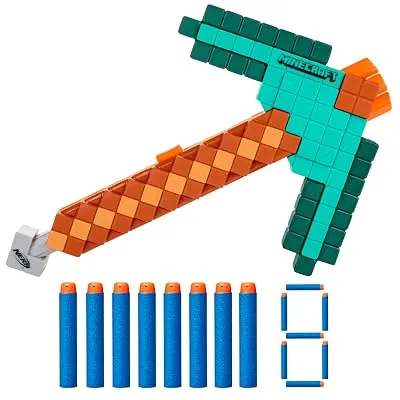
- Active toys and games: Nerf blasters and ride-ons for kids who need to move (add a helmet), plus cheap family games like Sequence, Uno and Monopoly Deal.
5. How do I check that a toy is safe?
Buy from the brand’s own store or a listing sold by the store itself, because some cheap marketplace toys skip US safety testing. On electronic toys, check that the battery door needs a screwdriver to open. Federal button-battery rules require secure compartments for a reason: a swallowed coin battery can cause serious internal burns. Keep small magnets and water beads away from young children, and check the weight limit on ride-ons.
6. When should I buy toys for the holidays?
Buy when the price is good, any time from October through Cyber Monday. Toy prices start dropping in October and stay low through Black Friday (Nov 27) and Cyber Monday (Nov 30), and popular LEGO sets often hit their best prices in these weeks. If the set you want is already at a good price, there is little reason to wait.
Holiday returns are generous: Amazon usually extends returns on November and December orders into late January, and other big stores extend their windows too.
If a store’s gift cards are on sale, start there. Buying a discounted Target or Walmart gift card first and then using it on a toy sale saves more than the sale alone. See how to stack gift cards with Black Friday prices and our live list of discounted gift cards.
7. What is a fair price?
A fair toy price is usually 20% to 40% off a current LEGO set and 30% or more off other big-brand toys. These are typical price ranges in the US. Prices change often, and the best sales come around Prime Day, Black Friday and Cyber Monday.
| Toy | Typical price | Examples | Good deal |
|---|---|---|---|
| Small LEGO sets | About $10 to $30 | Speed Champions, microfighters, small City sets | 20% to 40% off |
| Mid-size LEGO sets | About $30 to $80 | Technic cars, Botanicals, Super Mario, advent calendars | 25% to 40% off |
| Large LEGO sets | About $100 and up | Big Star Wars, Harry Potter and Icons sets | $30 or more off a current set |
| Magnetic tiles | About $25 to $120 | Magna-Tiles, Tytan by ZURU | 30% or more off |
| Pretend play and crafts | About $10 to $60 | Melissa & Doug, Fisher-Price, Play-Doh, Crayola | 30% to 50% off |
For example, we posted the LEGO Star Wars Advent Calendar 2026 at $30.00 in October, the MAGNA-TILES Castle 25-piece set at $27.99 in October, and the LEGO Technic Lamborghini Huracán Tecnica at $34.99 during Prime Big Deal Days. Sales like these tend to come back.
8. LEGO and toy deals live right now
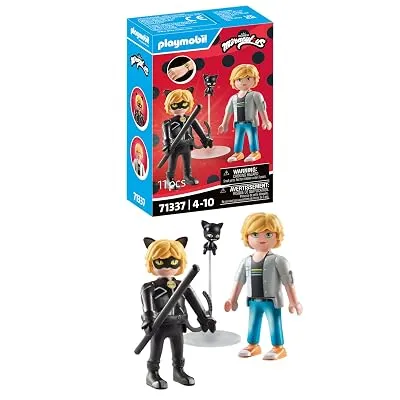
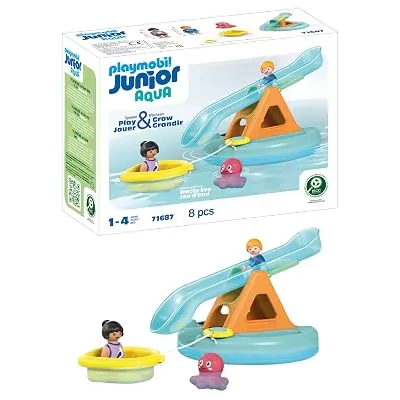
We post LEGO and toy deals only when the price is well below what the toy normally sells for, and this list updates on its own every few hours.
These are live right now (prices as of 11/25/26 7:20 AM ET; they change often, so check the final price before you buy):
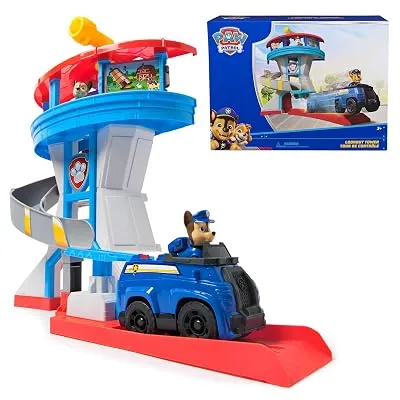
PAW Patrol Lookout Tower 20-Inch Playset with 2 Chase Toy Figures
$22.50 $53.99 up to 58% off
See all Toys and Games deals, or get new deals as they drop on WhatsApp and Telegram.
More: see all Toys and Games deals, Baby deals and Video Game deals, read how to spot a fake Black Friday deal and how to choose a kids’ tablet, or join our free alerts on WhatsApp and Telegram.
Key takeaways
- US rules ban small parts in toys meant for children under 3, which is why DUPLO bricks are oversized.
- About 10 cents per piece is a rough fair price for a LEGO set, though licensed themes cost more.
- LEGO.com rarely discounts new sets, so Amazon, Walmart and Target usually have the better price.
- Amazon usually extends returns on holiday orders into late January.
Frequently asked questions
What age is LEGO DUPLO for?
LEGO DUPLO is made for children from about 18 months to around 5 years old. The bricks are twice as big as regular LEGO bricks, so they are safer for little kids and easier for small hands to press together. DUPLO bricks also connect with regular LEGO, and regular LEGO sets start at age 4+.
What is a good price for a LEGO set?
A good LEGO deal is usually 20% to 40% off the regular price on a current set. Many fans also use about 10 cents per piece as a rough check. Licensed sets like Star Wars, and sets with large special parts such as car bodies, cost more per piece, so judge them by the discount instead.
When are LEGO sets cheapest?
LEGO sets usually hit their best prices in the weeks around Black Friday and Cyber Monday, during Prime Day sales and near the end of a set’s run. LEGO.com rarely discounts new sets, so Amazon, Walmart and Target are usually cheaper. If a set you want is already 20% or more off, it is a fair time to buy.
Are LEGO-compatible building blocks worth it?
Some are fine for extra bricks, but quality varies a lot and pieces may not fit as tightly as real LEGO. For gifts, a real LEGO set on sale is usually the safer choice. It also holds its value better if you want to sell it or pass it on to a younger child later.
Are magnetic tiles worth the price?
Yes, for most kids from about age 3 to 8. Magnetic tiles get played with for years and work for building, counting and pretend play. Buy a bigger set of basic tiles on sale rather than a small themed set, and keep them away from babies and toddlers who still put things in their mouths.
Can I return toys bought for Christmas?
Usually, yes. Amazon usually extends returns on holiday orders into late January (your order page shows the exact date). Walmart, Target and other big stores usually extend their return windows for the holidays too. Check each store’s policy before you buy, and keep the receipt or gift receipt with the toy.