We may earn a commission when you buy through links on our deal pages, at no extra cost to you. It never changes which deals we post.
Good sheets make a hot summer night bearable and a cold one cozy. Bad ones pill, trap heat, or pop off the mattress corner by morning. Sheet packaging does not help: “1,800 thread count,” “Egyptian luxury,” and “hotel quality” are printed on sets that cost $25 and on sets that cost $300. This guide explains what actually changes how sheets feel, which brands are worth a look at each price, and what a fair price is for a queen set, so you can tell a real deal from a marketing number.
Quick answer: what are the best bed sheets for most families?
For most people, the best everyday sheets are 100% long-staple cotton percale, about 200 to 400 thread count, with pockets deep enough for your mattress. Percale feels crisp and stays cool, which matters in a warm bedroom. If you like a smoother, silkier feel and sleep cold, pick cotton sateen in the 300 to 600 range instead. A good queen set usually costs about $50 to $120, and less on sale.
Sheet buying cheat sheet
- Hot sleeper: cotton percale, linen, or Tencel/lyocell
- Cold sleeper or loves smooth: cotton sateen or flannel in winter
- Real thread count: 200 to 400 for percale, 300 to 600 for sateen
- Fit: measure mattress depth and buy pockets at least 2 inches deeper
- Good deal price: a 100% cotton queen set under about $50
1. Thread count: the number that misleads the most
Thread count is the number of threads woven into one square inch of fabric. Up to a point, more threads make a smoother, denser sheet. Past that point, it stops meaning much.
- Percale: about 200 to 400 is the real sweet spot. Higher does not make percale better.
- Sateen: about 300 to 600 is normal for a quality sheet.
- Microfiber: uses a GSM weight (often 90 to 120 GSM) instead of thread count.
2. Weave: how the sheet feels
- Percale: a simple one-over, one-under weave. Crisp, matte, breathable, and cool, like a good button-down shirt. The best pick for hot sleepers and warm climates. It can wrinkle more.
- Sateen: more threads on the surface, so it feels smooth and silky with a slight sheen. Warmer and heavier than percale, wrinkles less, and can pill a little sooner.
- Jersey: knit like a T-shirt. Soft and stretchy, very casual, and less durable.
- Flannel: brushed cotton that traps warmth. Great for winter or a cold bedroom; too warm most of the year in the South. Flannel is measured in ounces per square yard, and about 5 ounces or more feels substantial.
3. Fiber: what the sheet is made of
- Long-staple cotton (Egyptian, Pima/Supima): longer fibers make softer, stronger sheets that pill less and get better with washing. “Egyptian” alone is not a guarantee, so look for “long-staple” or “Supima,” which is a licensed name for 100% American Pima cotton.
- Linen: made from flax. Very breathable, wicks moisture, and keeps you cool. Feels a little rough at first and softens with every wash. Costs more and wrinkles easily, which is part of the relaxed look.
- Tencel (lyocell): made from wood pulp, often eucalyptus. Smooth, cool to the touch, and good at pulling moisture away, so it is popular with hot sleepers. Needs gentle washing.
- Bamboo (viscose from bamboo): very soft and silky with a cool feel. Usually less durable than good cotton and can pill.
- Microfiber (polyester): the budget choice. Soft, wrinkle-resistant, and inexpensive, but it traps heat, so it is better for kids’ rooms, guest beds, and cooler bedrooms.
- Cotton blends: a cotton and polyester mix costs less and wrinkles less but breathes less than 100% cotton.
Labels that tell you more: OEKO-TEX Standard 100 means the fabric was tested for harmful chemical residues, a good sign for kids and sensitive skin. GOTS means certified organic cotton. Both say more than “luxury” or “hotel collection.”
4. Size and pocket depth: get the fit right
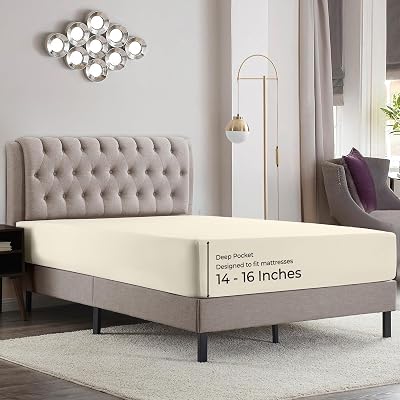
Most fitted-sheet problems come from pocket depth, not size. Measure your mattress from the bottom seam to the top, including any topper or pillow-top, then buy a fitted sheet with a pocket at least 2 inches deeper.
- Standard mattress (10 to 12 inches): 14-inch pockets.
- Thick mattress, pillow-top, or topper (13 to 16 inches): 16 to 18-inch “deep pocket” sheets.
- Extra deep (over 16 inches): look for 18 to 22-inch pockets and elastic all the way around.
Split king: for adjustable beds with two twin XL mattresses, buy a split king set (two fitted sheets, one king flat sheet) or two twin XL fitted sheets. A regular king fitted sheet will not work on a split base. Also check whether a set includes a flat sheet; some value sets and many “fitted sheet packs” do not.
5. Popular sheet brands in the US
Budget (about $20 to $45 for a queen set): Amazon Basics, Mellanni, Bedsure, Utopia Bedding, and SUPERIOR. Mostly microfiber or cotton blends. Fine for kids’ rooms, guest beds, and anyone who sleeps cool.
Mid-range (about $50 to $120): Threshold (Target), California Design Den, and store-brand 100% cotton percale or sateen sets. This is the best value range for most families.
Premium (about $130 to $300 and up): Brooklinen, Parachute, Boll & Branch, Riley, Pottery Barn, Cozy Earth (bamboo viscose), Buffy (eucalyptus lyocell), and Sijo (linen and eucalyptus). Long-staple or organic cotton, linen and lyocell. These brands run regular sales, so it pays to wait for one.
6. What is a fair price for a queen sheet set?
These are typical regular prices in the US for a queen set (fitted sheet, flat sheet, two pillowcases). Prices change often, and sales can drop them a lot.
| Level | Queen set | What you get |
|---|---|---|
| Budget | About $20 to $45 | Microfiber or cotton blend, soft and easy care, sleeps warmer |
| Mid-range (best value) | About $50 to $120 | 100% cotton percale or sateen, 200 to 600 thread count, breathable and long lasting |
| Premium | About $130 to $300 | Long-staple or organic cotton, Tencel/lyocell from direct-to-consumer brands |
| Linen | About $200 and up | The coolest, most breathable option; softens with every wash |
A good deal is a 100% cotton queen set for under about $50, or a premium brand at 25% off or more. For the same price, choose 100% cotton percale over a high-thread-count microfiber set if you sleep hot.
7. Sheet deals live right now
We only post a sheet deal when the price is well below its usual price. Past finds include a Comfort Spaces 100% cotton percale king set, LuxClub king sets, deep-pocket Empyrean fitted sheet packs, and a CGK Unlimited split king set. This list updates on its own every few hours:
These are live right now (prices as of 10/9/26 10:20 PM ET; they change often, so check the final price before you buy):
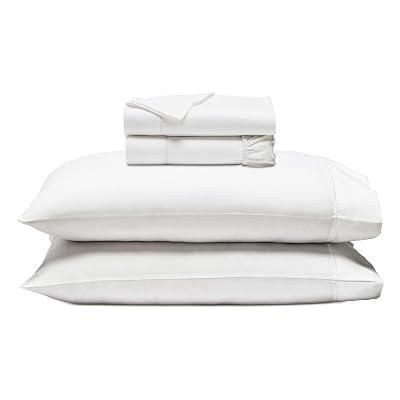
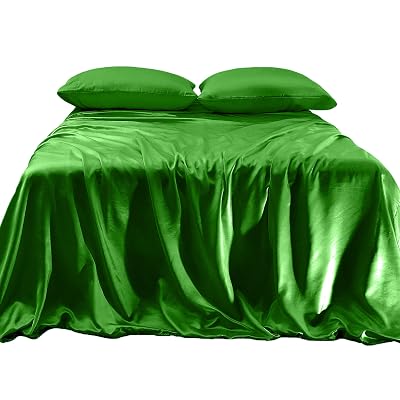
SUPERIOR Cotton Blend 600 TC Embroidered Hem Bed Sheets, Cal King
$20.13 $109.20 up to 82% off
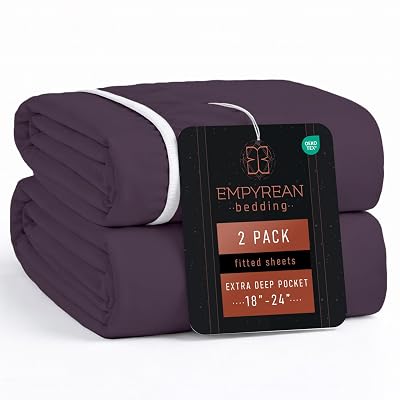
Empyrean 2 Pack Purple Fitted Sheet Extra Deep Pocket, 24 Inch
$20.18 $43.99 up to 54% off
See all Home & Kitchen deals, or get new deals as they drop on WhatsApp and Telegram.
8. Care tips that make sheets last
- Wash new sheets before using them to remove factory finishes.
- Wash in warm (not hot) water with mild detergent, and skip fabric softener on cotton, linen, and lyocell. It coats the fibers and makes them less breathable.
- Dry on low or medium heat and take sheets out while slightly damp to cut wrinkles.
- Rotate two or three sets so each one wears more slowly, and wash weekly.
- Replace sheets when they thin out, tear, or stay pilled. Good cotton sheets often last 2 to 3 years or more of regular use.
Shopping for the bathroom too? See our guide on how to choose the best bath towel, browse all Home & Kitchen deals, or get new deals as they drop by joining our free alerts.
Frequently asked questions
What thread count is best for sheets?
For cotton percale, 200 to 400 thread count is best. For cotton sateen, 300 to 600 is normal. Higher numbers, like 1,000 or more, are often inflated by counting twisted threads and do not mean better sheets.
Are percale or sateen sheets cooler?
Percale sheets are cooler. The simple weave lets air through and feels crisp. Sateen feels smoother and warmer, which suits people who sleep cold.
What are the best sheets for hot sleepers?
Cotton percale, linen, and Tencel (lyocell) are the best choices for hot sleepers. They breathe and pull moisture away from the body. Microfiber and flannel trap heat.
How deep should fitted sheet pockets be?
Measure your mattress, including any topper, and choose pockets at least 2 inches deeper. Most standard mattresses need 14-inch pockets; pillow-tops and toppers usually need 16 to 18 inches.
How much should a good queen sheet set cost?
A good 100% cotton queen set usually costs about $50 to $120. Budget microfiber sets cost about $20 to $45, and premium brands about $130 to $300. On sale, a cotton queen set under about $50 is a good deal.
Is Egyptian cotton really better?
True long-staple Egyptian cotton makes soft, durable sheets, but the label alone is no guarantee. Look for “long-staple,” a reasonable thread count, and good reviews. Supima cotton is a licensed, verified long-staple option.
What sheets fit a split king bed?
A split king needs two twin XL fitted sheets and one king flat sheet, sold together as a split king set. A regular king fitted sheet will not fit two separate mattresses on an adjustable base.