We may earn a commission when you buy through links on our deal pages, at no extra cost to you. It never changes which deals we post.
A good bath towel should dry you fast, feel soft, and still look good after a hundred washes. The problem is that towel labels throw around words like “Egyptian,” “zero-twist,” and “700 GSM” without telling you what they mean or what you should pay. This guide explains what actually matters, which brands are worth a look, and what a fair price is at each level, so you can spot a real deal when one shows up.
Quick answer: what makes a good bath towel?
For most families, the best everyday bath towel is 100% cotton, 500 to 650 GSM, with long-staple fibers (Turkish, Pima/Supima, or long-staple Egyptian). That weight is soft and absorbent but still dries overnight. Expect to pay about $8 to $20 per bath towel for that quality, and less when it goes on sale as a set.
Towel buying cheat sheet
- Everyday sweet spot: 500 to 650 GSM, 100% long-staple cotton (Turkish, Pima/Supima or Japanese)
- Good deal price: about $8 to $12 per bath towel
- Humid bathroom: 450 to 550 GSM Turkish cotton, a Japanese towel, or a waffle weave
- Red flag: a “6-piece set” with only 2 real bath towels
1. GSM: the weight number that tells you the most
GSM means grams per square meter. It measures how dense the towel is. A higher number means a thicker, heavier towel.
- 300 to 400 GSM (light): thin and quick-drying. Good for the gym, the beach, travel, kids, and humid bathrooms. Less plush.
- 400 to 600 GSM (medium): the everyday sweet spot. Soft, absorbent, and dries in a normal bathroom overnight.
- 600 to 900 GSM (heavy): spa and hotel feel. Very plush and absorbent, but slower to dry and bulkier in the washer and dryer.
In a humid climate or a bathroom with little airflow, a very heavy towel can stay damp and start to smell. If your bathroom has no window or fan, 450 to 600 GSM is the safer choice.
2. Cotton type: what the labels really mean
- Turkish cotton: long fibers that are soft and dry relatively fast. A great all-round choice and common in mid-priced towels.
- Egyptian cotton: can be very soft and absorbent when it is true long-staple cotton. The word alone is not a guarantee, so look for the weight and reviews too.
- Pima and Supima: long-staple cotton grown mainly in the US. Supima is a licensed brand of 100% American Pima. Soft and durable.
- Ring-spun and combed cotton: fibers are twisted or combed to remove short bits, so the towel sheds less lint and lasts longer.
- Zero-twist: loops are barely twisted, which feels extra soft and fluffy but can snag and wear faster.
- Bamboo blends (viscose from bamboo): very soft and silky with a slight sheen. Often blended with cotton. Usually a bit less durable.
- Japanese towels (Imabari): made in Imabari, Japan, and known for being light, very absorbent and quick to dry. A towel can carry the Imabari mark only if it passes the “5-second test”: a small piece must start sinking in water within 5 seconds. Many are 400 to 600 GSM, so they dry well in humid weather. Real Imabari towels cost more, often $30 or more per bath towel. Japanese gauze towels (thin layered cotton) are even lighter and dry fastest. A “Japan technology” label on its own is not the same as the Imabari mark, so check the product details.
- Microfiber: synthetic, very light, and dries fastest. Good for travel, hair, and the gym, but it does not feel like a classic cotton bath towel.
Labels that tell you more: OEKO-TEX Standard 100 means the towel was tested for harmful chemical residues, a good sign for kids and sensitive skin. GOTS means certified organic cotton. Both are worth more than words like “luxury” or “hotel quality”.
3. Absorbency vs. drying time
You cannot have both at the maximum. Thick, loopy towels hold more water but take longer to dry. Thin, flat-weave towels (waffle and Turkish “peshtemal” styles) dry very fast but feel less cushy. Pick based on your bathroom: good airflow means you can go plush, a small or humid bathroom means medium weight or waffle.
New towels often feel less absorbent at first because of fabric softeners from the factory. Wash them two or three times before deciding.
4. Size: bath towel, bath sheet, or both?
- Hand towel: about 16 x 28 inches.
- Bath towel: about 27 x 52 to 30 x 56 inches. Enough for most adults and kids.
- Bath sheet: about 35 x 60 to 40 x 70 inches. Wraps around taller adults, takes more space and washer room.
- Washcloth: about 13 x 13 inches.
5. Popular bath towel brands in the US
Budget (store brands and value packs): Amazon Basics, Utopia Towels, Mainstays and Better Homes & Gardens (Walmart), Threshold (Target), Cannon, Superior, and Pinzon. These are fine everyday towels, especially for kids, guests, and the gym.
Mid-range: Pottery Barn, Hotel Collection (Macy’s), Charisma, and Frontgate’s resort line. Better cotton and nicer finishing for a moderate price.
Premium (direct-to-consumer and luxury): Brooklinen, Parachute, Boll & Branch, Coyuchi, and Riley. These use long-staple Turkish or organic cotton and are popular gifts. Their full prices are high, so they are worth watching for sales.
6. What is a value-for-money price?
These are typical regular prices in the US. Prices change often, and sales can drop them a lot.
| Level | Per bath towel | What you get |
|---|---|---|
| Budget | About $4 to $8 | Store brands and value packs, 400 to 550 GSM, good for daily family use |
| Mid-range (best value) | About $8 to $20 | Long-staple or Turkish cotton, 500 to 650 GSM, softer and longer lasting |
| Japanese (Imabari) | About $30 and up | Light, very absorbent, quick-drying cotton that passed the Imabari absorbency test |
| Premium | About $25 to $60 | Organic or luxury long-staple cotton from brands like Parachute, Brooklinen, Boll & Branch |
A good deal is a mid-range towel at a budget price, for example 550 to 650 GSM cotton bath towels for under about $12 each, or a premium brand at 25% off or more. Divide the set price by the number of real bath towels (not washcloths) to compare.
7. Towel deals live right now
We only post a towel deal when the price is well below its usual price. This list updates on its own every few hours.
These are live right now (prices as of 10/9/26 7:20 PM ET; they change often, so check the final price before you buy):
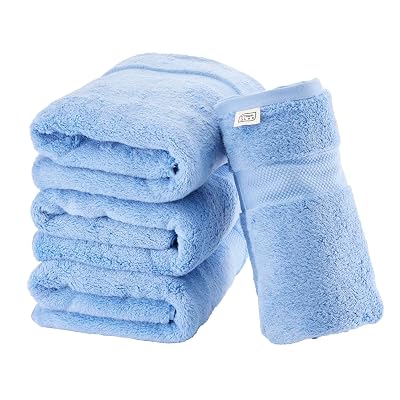
Towel Laboratory Luxury Bath Towels, 4-Pack, 30×54 in, 550 GSM Cotton, Blue
$46.03 $78.44 up to 41% off
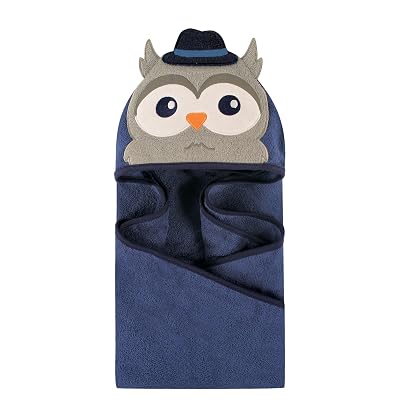
Hudson Baby Unisex Baby Cotton Animal Face Hooded Towel, One Size
$8.39 $13.99 up to 40% off
See all Home & Kitchen deals, or get new deals as they drop on WhatsApp and Telegram.
8. Care tips that make towels last
- Wash new towels before first use, and skip fabric softener. It coats the fibers and makes them less absorbent. Use a half cup of white vinegar in the rinse once a month instead.
- Wash in warm water with a little less detergent than the cap says. Too much soap builds up.
- Dry on medium heat and shake them out before folding to keep the loops fluffy.
- Hang towels spread out, not bunched on a hook, so they dry fully and do not smell.
- Replace bath towels every 2 to 3 years, or sooner if they smell after washing.
Frequently asked questions
What GSM is best for a bath towel?
For everyday use, 500 to 650 GSM is best for most people. It is soft and absorbent but still dries overnight. Choose 300 to 450 GSM for the gym, beach, or a humid bathroom, and 650 GSM or more for a plush spa feel.
Is Egyptian or Turkish cotton better for towels?
Both are good when they are long-staple. Egyptian cotton tends to feel thicker and more absorbent, while Turkish cotton feels soft and dries faster. In a humid climate, Turkish cotton is often the more practical choice.
How much should a good bath towel cost?
A good-quality cotton bath towel usually costs about $8 to $20. Budget towels run about $4 to $8 and premium brands about $25 to $60. On sale, mid-range towels often drop under $12 each.
What is the difference between a bath towel and a bath sheet?
A bath towel is about 27 x 52 to 30 x 56 inches. A bath sheet is larger, about 35 x 60 to 40 x 70 inches, and wraps around taller adults more easily, but it takes more space to dry and store.
Why are my new towels not absorbent?
New towels are often coated with softeners or finishes from the factory. Wash them two or three times without fabric softener and they will absorb much better.
How often should you replace bath towels?
Every 2 to 3 years for daily-use towels, or sooner if they stay stiff, thin, or smelly even after washing.
Are Japanese Imabari towels worth it?
They are worth it if you want a light towel that absorbs well and dries fast, which helps in humid climates and small bathrooms. Real Imabari towels pass a 5-second absorbency test and usually cost $30 or more per bath towel, so look for them on sale.
Are microfiber towels good for showers?
Microfiber towels are light and dry very fast, which makes them great for travel, hair, and the gym. For a soft, cozy feel after a shower, most people still prefer cotton.